
Commercial Roofing Systems Compared: TPO vs EPDM vs PVC

Commercial Roofing Systems Compared: TPO vs EPDM vs PVC
Commercial Roofing Systems Compared: TPO vs EPDM vs PVC
Choosing the right commercial roofing system is one of the most important investment decisions a building owner can make. Your roof protects your assets, employees, tenants, inventory, and long-term property value. The choice of commercial roofing systems is influenced by several factors, including economic, technological, environmental, and practical considerations. With several single‑ply commercial roofing systems on the market—most notably TPO, EPDM, and PVC—understanding the differences is essential before you commit to an installation or replacement.
Common commercial roofing systems include TPO, EPDM, Metal, PVC, Built-Up Roofing (BUR), and Spray Foam (SPF).
In this in‑depth guide from Elite Family of Brands, we break down TPO vs EPDM vs PVC roofing systems, comparing performance, cost, durability, energy efficiency, ideal use cases, and long‑term value. Whether you manage a warehouse, retail center, office building, medical facility, or industrial property, this article will help you make an informed, confident roofing decision.
👉 Ready for professional guidance? Find your local Elite commercial roofing specialist today.
Understanding Single‑Ply Commercial Roofing Systems
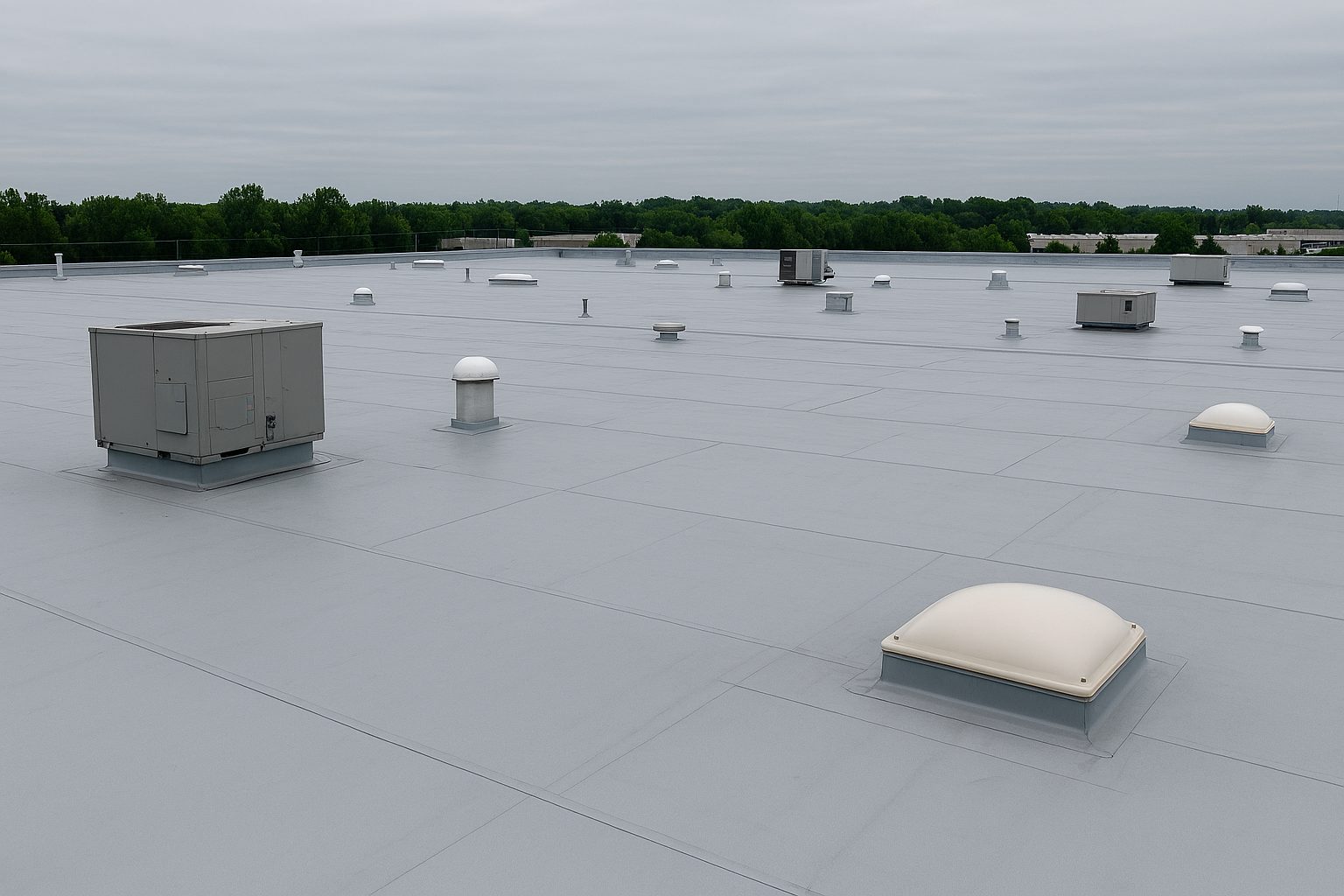
Single‑ply roofing membranes are among the most commonly used commercial roofing solutions in North America. These systems consist of flexible sheets manufactured in a controlled factory environment and installed in wide rolls across flat or low‑slope roofs.
Single ply roofing systems can be installed using different installation methods, including fully adhered, mechanically attached, or ballasted, with the choice of installation method depending on the roof deck’s characteristics and specific project requirements.
Why Single‑Ply Roofing Is So Popular
Single‑ply commercial roofing systems offer several advantages:
- Lightweight construction
- Faster installation times
- Help reduce labor requirements, making installation quicker and more cost-effective
- Excellent waterproofing
- Adaptability to various building types
- Compatibility with energy‑efficient roofing strategies
The most common single‑ply membranes include:
- TPO (Thermoplastic Polyolefin)
- EPDM (Ethylene Propylene Diene Monomer)
- PVC (Polyvinyl Chloride)
Each system offers unique strengths—and potential drawbacks—depending on climate, building usage, and long‑term performance goals.
TPO Roofing: The Energy‑Efficient, Cost‑Effective Choice
What Is TPO Roofing?
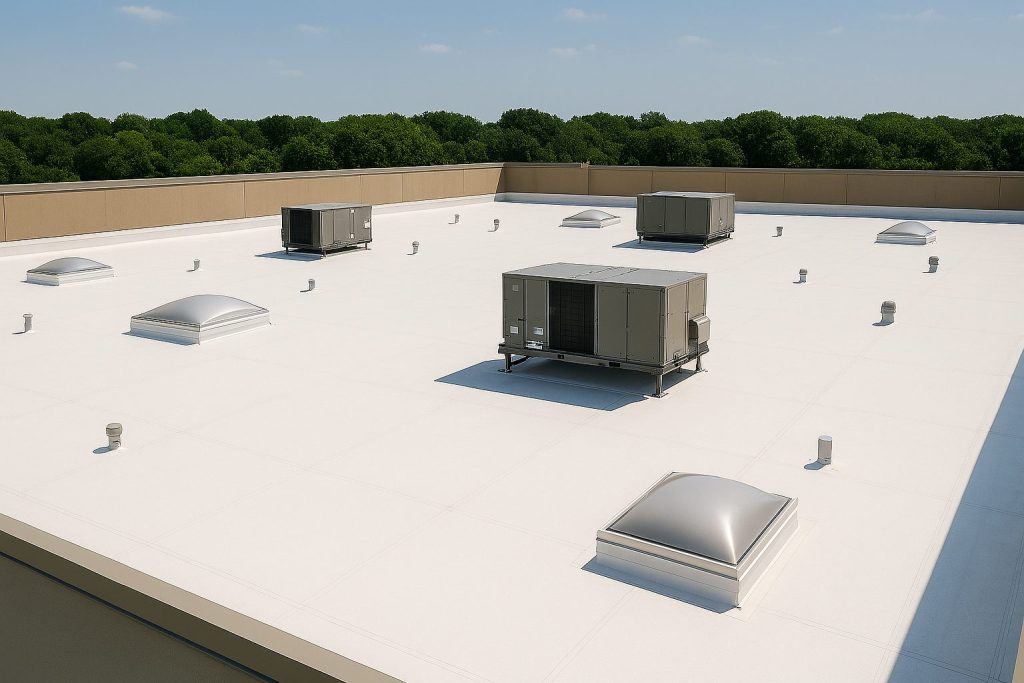
TPO roofing is a thermoplastic single‑ply membrane typically manufactured in white or light reflective colors. It has become one of the fastest‑growing commercial roofing systems due to its balance of affordability, energy efficiency, and performance. TPO membranes do not promote mildew or algae growth, making them easier to maintain.
Key Benefits of TPO Roofing
1. High Solar Reflectivity
TPO membranes are designed to reflect UV radiation and solar heat, helping reduce cooling costs—especially important for large commercial buildings in warmer climates.
2. Seam Strength
TPO seams are heat‑welded, creating a strong, watertight bond that resists leaks and separation when properly installed by certified professionals.
3. Cost‑Effective Performance
Compared to PVC, TPO offers many similar benefits at a lower initial cost, making it attractive to budget‑conscious property owners.
4. Environmentally Friendly
TPO contains no plasticizers and is fully recyclable at the end of its service life.
Potential Limitations of TPO
- Quality varies by manufacturer
- Less chemical resistance than PVC
- Performance is highly dependent on installation expertise
Best Applications for TPO Roofing
- Warehouses and distribution centers
- Retail plazas
- Office buildings
- Educational and municipal buildings
TPO is especially popular in new construction for low slope roofing, holding a 40% market share according to the NRCA Market Survey, with EPDM at 22% and Modified Bitumen at 12.4%.
EPDM Roofing: Proven Durability and Long-Term Reliability
What Is EPDM Roofing?
EPDM is a synthetic rubber roofing membrane that is typically installed in large sheets, which simplifies installation and reduces seams. Black EPDM membranes have been used in commercial roofing for more than 50 years, making EPDM one of the most time‑tested systems available.
Key Benefits of EPDM Roofing
1. Exceptional Durability
EPDM roofs regularly last 25–30+ years with proper maintenance, even in harsh weather conditions.
2. Excellent Weather Resistance
EPDM performs well under extreme temperatures, UV exposure, hail, and freeze‑thaw cycles.
3. Low Installation Cost
EPDM is often the most affordable single‑ply roofing option upfront.
4. Simple Repairs and Maintenance
EPDM roofing can be easily repaired with patches or adhesives, extending its lifespan at a low cost.
Potential Limitations of EPDM
- Traditional black EPDM absorbs heat
- Seams rely on adhesives or tapes rather than heat welding
- Less puncture‑resistant than PVC in high‑traffic areas
Best Applications for EPDM Roofing
- Industrial buildings
- Manufacturing facilities
- Cold‑climate properties
- Large flat-roof structures
👉 If durability and cost predictability matter most, consult your local Elite Roofing expert about EPDM systems. For best results and to ensure proper installation and warranty coverage, always work with a qualified roofing contractor.
PVC Roofing: Premium Performance for Demanding Environments
What Is PVC Roofing?
PVC roofing membranes are thermoplastic membranes engineered for exceptional durability, flexibility, and UV resistance, making them a premium choice for flat or low-slope commercial roofing systems. They are widely considered the top option among single‑ply roofing systems due to their superior strength and overall performance.
Key Benefits of PVC Roofing
1. Exceptional Chemical Resistance
PVC roofing is highly resistant to grease, oils, fats, and chemicals—making it ideal for restaurants and industrial facilities.
2. Industry‑Leading Seam Strength
Heat‑welded PVC seams often exceed the strength of the membrane itself.
3. Superior Fire Resistance
PVC naturally slows flame spread and meets stringent fire safety standards.
4. Long‑Term Performance
PVC roofs often exceed 30 years of service life, particularly when paired with professional maintenance.
Potential Limitations of PVC
- Higher initial cost
- Slightly stiffer material in cold temperatures
- Requires expert installation
Best Applications for PVC Roofing
- Food processing plants
- Restaurants and commercial kitchens
- Airports and hospitals
- Manufacturing and chemical facilities
👉 Elite Roofing specialists help building owners determine if PVC is worth the higher upfront investment. For the best results, building owners should consult roofing experts to assess whether PVC is the optimal choice for their specific application.
Existing Roof Considerations
Before embarking on any commercial roofing project, it’s crucial to thoroughly evaluate the existing roof. For commercial buildings with flat roofs, this assessment goes beyond a simple visual check—it involves reviewing the roof’s age, material, maintenance history, and any previous repairs or modifications. Identifying issues such as ponding water, cracks, or deteriorated flashing can help building owners and contractors determine whether targeted repairs, roof coatings, or a complete new roof installation is the best course of action.
A comprehensive inspection of the existing roof allows for informed decision-making that balances immediate costs with long-term value. For example, if the roof is structurally sound but showing signs of wear, applying roof coatings can restore waterproofing and energy efficiency without the expense of a full replacement. On the other hand, if the roof system is nearing the end of its service life or has suffered significant damage, investing in a new roof may be the most cost-effective solution in the long run.
Contractors and building owners should collaborate closely to weigh the benefits of restoration versus replacement, considering factors like the building’s use, local climate, and future maintenance needs. In the commercial roofing industry, this proactive approach ensures that flat roofs continue to protect the building, enhance energy efficiency, and deliver reliable performance for years to come.
Cover Boards and Roof Decks: The Foundation of a Reliable Roof
A high-performing commercial roofing system starts with a strong foundation—specifically, the roof deck and cover boards. The roof deck serves as the structural backbone, supporting the entire roof assembly, while cover boards provide a smooth, stable surface for installing roofing materials such as single ply membranes, built up roofing, or modified bitumen systems.
Cover boards, often made from polyiso insulation, gypsum, or plywood, play a vital role in enhancing the durability and long-term performance of the roof. They add an extra layer of protection against punctures, improve fire resistance, and help distribute loads evenly across the roof. In cold climates, cover boards with high thermal resistance can help prevent heat loss and ice dam formation, while in hot climates, reflective cover boards can reduce cooling costs by minimizing heat transfer into the building.
Selecting the right combination of roof deck and cover board is essential for supporting the weight of roofing materials and ensuring a secure attachment for the membrane. Proper installation of these components not only extends the service life of the roof but also maximizes energy efficiency and resilience against weather extremes. For building owners, investing in quality cover boards and a robust roof deck is a smart step toward a durable, low-maintenance commercial roofing system.
TPO vs EPDM vs PVC: Side‑by‑Side Comparison
Cost Comparison
- EPDM: Lowest initial cost
- TPO: Mid‑range pricing with energy savings
- PVC: Highest upfront investment, best long‑term value
Energy Efficiency
- PVC: Excellent reflectivity and insulation performance
- TPO: Strong solar reflectivity
- EPDM: Best for colder climates unless upgraded to white EPDM
Durability & Longevity
- PVC: 30+ years
- EPDM: 25–30 years
- TPO: 20–25 years (varies by manufacturer)
Chemical Resistance
- PVC: Outstanding
- TPO: Moderate
- EPDM: Limited
Maintenance Requirements
- EPDM: Easiest to repair
- PVC: Low maintenance, durable seams
- TPO: Installation quality is critical
Roof Coatings and Restoration: Extending Roof Life and Value
Roof coatings and restoration have become increasingly popular in the commercial roofing industry as building owners seek sustainable, cost-effective ways to extend the life of their existing roof. Rather than opting for a full replacement, applying a high-quality roof coating can restore waterproofing, enhance UV protection, and improve the energy efficiency of a wide range of roofing materials—including asphalt, metal roofing, and single ply membranes.
This restoration approach offers several advantages: it reduces waste by preserving the existing roof, lowers installation costs, and minimizes disruption to building operations. Roof coatings can also help mitigate the urban heat island effect by reflecting sunlight, which in turn reduces cooling costs and helps maintain a comfortable indoor environment. Additionally, protective coatings can inhibit mold growth and algae, further safeguarding the roof’s integrity.
By working with experienced contractors and selecting the right coating system for their specific roof type, building owners can significantly extend the service life of their roof, reduce maintenance expenses, and enhance overall building performance. In today’s roofing industry, roof coatings and restoration represent a smart investment—delivering long-term value, improved durability, and greater energy efficiency for commercial buildings of all sizes.
How Climate and Building Use Impact Roofing Choice
The best commercial roofing system depends on more than just budget—it must suit your location and building function. Custom solutions are often necessary to address the unique climate and functional needs of each building, ensuring optimal performance and longevity.
Climate Considerations
- Hot climates: TPO or PVC
- Cold climates: EPDM excels
- Extremes & storms: EPDM and PVC perform best
Building Function
- Food service: PVC
- Warehousing: TPO or EPDM
- Healthcare: PVC
- Manufacturing: EPDM or PVC
Installation Quality Matters More Than Material
Even the best roofing membrane will fail if installed improperly. Professional installation ensures:
- Correct seam welding
- Proper drainage design
- Secure fastening systems
- Full manufacturer warranty eligibility
Certain commercial roofing systems also offer cold applied installation methods, which can be advantageous in specific situations, such as when heat or open flames are not suitable.
Elite Family of Brand works exclusively with trained, certified commercial roofing professionals who follow manufacturer and industry best practices.
Commercial Roofing Maintenance and Lifecycle Planning
Preventative maintenance can extend your roof’s service life by up to 50%. Using a full line of compatible maintenance products and accessories helps ensure the longevity and optimal performance of commercial roofing systems.
Maintenance Best Practices
- Annual inspections
- Seam checks
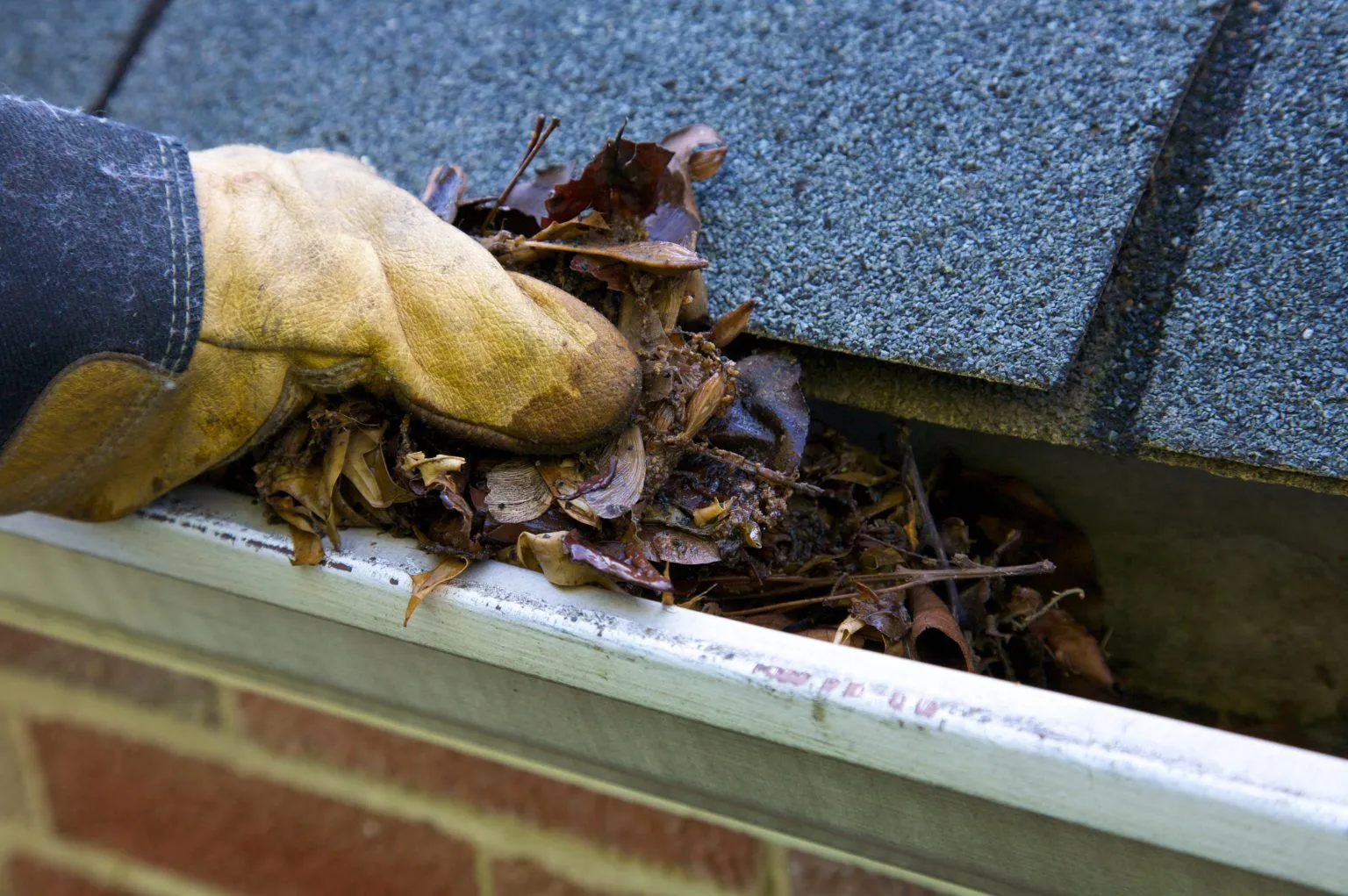
- Drain cleaning
- Flashing inspections
- Prompt repairs
Making the Right Commercial Roofing Decision
There is no one‑size‑fits‑all solution when comparing TPO vs EPDM vs PVC. Each system offers distinct advantages depending on your priorities:
- Choose TPO for energy efficiency and cost balance
- Choose EPDM for durability and proven reliability
- Choose PVC for chemical resistance and premium performance
The smartest choice comes from working with professionals who understand your building, budget, and long‑term goals. Remember, the best decision considers the entire roof assembly—not just the membrane—to ensure optimal performance and longevity.
Why Choose Elite Family of Brands?
Elite Family of Brands connects property owners with trusted, experienced local commercial roofing specialists and contractors who deliver:
- Expert system comparisons
- Honest, data‑driven recommendations
- Quality workmanship
- Long‑term roofing solutions
We work closely with experienced contractors to ensure quality installation and service for every project.
Find Your Local Roof Specialist Today
Your commercial roof deserves expert attention. Don’t leave a critical investment to guesswork.
👉 Find your local Elite Family of Brands commercial roofing specialist today and get personalized guidance on whether TPO, EPDM, or PVC is right for your building.
Protect your property. Optimize performance. Invest with confidence.
Popular Posts