
How Climate Impacts Commercial Roofing Chicago Roof Lifespan

How Climate Impacts Commercial Roofing Chicago Roof Lifespan
Understanding the Windy City’s Unique Challenges for Commercial Roofing
Commercial property owners in Chicago face roofing challenges unlike those in many other parts of the country. From brutal winter snowstorms and freeze-thaw cycles to intense summer heat, heavy rainfall, strong winds, and severe weather events, Chicago’s climate puts commercial roofing systems under constant stress throughout the year.
Whether you own an office building, warehouse, retail center, industrial facility, multi-unit commercial property, or manufacturing plant, the local climate plays a major role in determining how long your commercial roof will last. Understanding these environmental factors can help you make smarter decisions about roof maintenance, repairs, inspections, and replacement planning.
At Elite Construction Solutions, our experienced commercial roofing professionals understand the unique weather patterns that affect roofs throughout Chicago and surrounding Illinois communities. In this guide, we’ll explain exactly how Chicago’s climate impacts commercial roof lifespan and what building owners can do to maximize their roofing investment.
Why Commercial Roof Lifespan Matters
Your commercial roof is one of the most important assets protecting your business. A properly maintained roofing system can provide decades of reliable performance, while a neglected roof may fail prematurely and lead to expensive repairs.
Commercial roof failure can result in:
- Interior water damage
- Inventory loss
- Equipment damage
- Mold growth
- Structural deterioration
- Business interruptions
- Higher energy costs
- Liability concerns
The lifespan of commercial roofing systems varies significantly depending on:
- Roofing material
- Installation quality
- Maintenance practices
- Building design
- Drainage performance
- Climate exposure
In Chicago, weather conditions often become the determining factor affecting how long a commercial roof survives.
Chicago’s Climate: A Roofing Stress Test Year-Round
Chicago experiences four distinct seasons with dramatic temperature swings. These weather extremes create continuous expansion, contraction, moisture exposure, and mechanical stress on roofing materials.
Key climate factors affecting commercial roofs include:
- Extreme winter temperatures
- Freeze-thaw cycles
- Heavy snow accumulation
- Ice dam formation
- Strong winds
- Summer heat
- UV radiation
- Thunderstorms
- Hail events
- Heavy rainfall
- Humidity fluctuations
Each of these environmental conditions can shorten a roof’s lifespan if not properly managed.
Winter Temperatures and Their Impact on Commercial Roofs
Chicago winters are notorious for prolonged freezing temperatures. Commercial roofing materials become significantly less flexible during cold weather.
As temperatures drop below freezing, roofing membranes can:
- Contract
- Become brittle
- Develop cracks
- Experience seam separation
- Lose elasticity
Older commercial roofs are especially vulnerable because years of weather exposure have already weakened materials.
Roof systems with existing deficiencies may experience accelerated deterioration during winter months. Small cracks often become major leaks once snow and ice penetrate vulnerable areas.
Building owners frequently discover roofing problems after winter has already caused extensive damage.
The Freeze-Thaw Cycle: One of Chicago’s Biggest Roofing Threats
One of the most damaging weather phenomena in Chicago is the freeze-thaw cycle.
This occurs when:
- Snow or ice melts during warmer daytime temperatures.
- Water enters small cracks or gaps.
- Temperatures drop below freezing overnight.
- Water freezes and expands.
- Cracks become larger.
- The cycle repeats.
Over time, freeze-thaw cycles can significantly deteriorate:
- Roofing membranes
- Flashing systems
- Seams
- Drainage components
- Roof penetrations
- Equipment curbs
What starts as a minor issue can quickly become a major commercial roofing problem requiring costly repairs.
Routine inspections help identify vulnerabilities before freeze-thaw damage accelerates.
Heavy Snow Loads and Structural Stress
Chicago receives substantial snowfall during winter months.
While modern commercial buildings are designed to support snow loads, excessive accumulation can still create problems.
Snow places continuous pressure on:
- Roof decks
- Structural supports
- Membrane systems
- Drainage systems
Flat and low-slope commercial roofs are particularly susceptible.
Large snow accumulations can:
- Increase structural stress
- Block drainage pathways
- Create ponding conditions
- Hide existing damage
- Lead to moisture infiltration
If snow remains on the roof for extended periods, melting and refreezing may further accelerate deterioration.
Commercial property owners should monitor heavy snow events and schedule roofing evaluations when necessary.
Ice Dams and Commercial Roofing Damage
Although ice dams are often associated with residential properties, commercial buildings can also experience ice-related roofing issues.
Ice dams form when:
- Heat escapes through the building
- Snow melts unevenly
- Water refreezes near roof edges
- Drainage becomes blocked
As water backs up behind frozen sections, it can infiltrate roofing materials and enter the building.
Ice-related issues commonly damage:
- Flashing
- Membranes
- Insulation
- Roof edges
- Interior ceilings
Proper insulation, ventilation, and drainage design can help reduce these risks.
Spring Rainfall and Moisture Intrusion
After winter, Chicago often experiences significant rainfall during spring.
Spring storms can reveal roofing issues that developed throughout winter.
Common spring roofing problems include:
- Membrane punctures
- Open seams
- Damaged flashing
- Clogged roof drains
- Ponding water
Even small leaks may allow substantial moisture intrusion over time.
Water infiltration can compromise:
- Insulation effectiveness
- Energy efficiency
- Structural components
- Interior finishes
- Air quality
Prompt detection is essential because water often travels significant distances before becoming visible inside the building.
Flat roofs require regular inspections for proper drainage to prevent ponding after spring rain.
Regular spring roof inspections help identify hidden damage before expensive repairs become necessary.
Summer Heat and UV Exposure
Many commercial property owners focus on winter weather, but Chicago summers also put more demands on roof performance through heat and rain exposure.
Temperatures often rise into the upper 80s and 90s during summer months.
Roof surface temperatures frequently exceed ambient air temperatures and may reach well over 150°F on dark roofing surfaces. Reflective materials are often favored in Chicago buildings for energy efficiency.
Extreme heat can contribute to:
- Membrane aging
- Material shrinkage
- Seam stress
- Surface deterioration
- Adhesive breakdown
The combination of heat and UV exposure gradually weakens roofing systems year after year. TPO is a reflective membrane that can help reduce summer energy costs.
Ultraviolet Radiation and Roofing Degradation
UV radiation is one of the most overlooked threats to commercial roofs.
Even when temperatures are moderate, sunlight continuously attacks roofing materials.
Long-term UV exposure can cause:
- Surface cracking
- Material brittleness
- Membrane deterioration
- Color fading
- Reduced flexibility
Certain roofing systems offer better UV resistance than others.
Popular commercial roofing options such as:
- TPO roofing
- PVC roofing, valued for fire resistance and durability against punctures
- EPDM roofing, widely used because its elasticity holds up well in extreme temperatures
- Modified bitumen roofing, reinforced with fiberglass to withstand harsh weather
all respond differently to prolonged sun exposure.
Choosing the right roofing system for Chicago’s harsh weather conditions is critical for maximizing lifespan.
Severe Thunderstorms and High Winds
Chicago regularly experiences severe weather events, including thunderstorms with strong winds.
Commercial roofs face significant risks during these storms.
High winds can:
- Lift roofing membranes
- Damage flashing
- Loosen rooftop equipment
- Create seam failures
- Expose insulation
Wind damage is often difficult to detect from the ground.
Following major storms, building owners should schedule professional commercial roof inspections to identify potential issues before water infiltration occurs.
Ignoring storm damage can significantly reduce a roof’s remaining lifespan.
Hail Damage to Commercial Roofing Systems
Hail storms occur throughout Illinois and often cause substantial commercial roofing damage.
Depending on size and velocity, hail can:
- Puncture membranes
- Crack roofing materials
- Damage flashing
- Dent metal roofing
- Impact protective coatings
Not all hail damage causes immediate leaks.
In many cases, roofing systems continue functioning temporarily while unseen weaknesses worsen over time.
Professional roofing inspections after hail events can help property owners document damage for insurance purposes and prevent long-term deterioration.
Ponding Water: A Silent Roof Killer
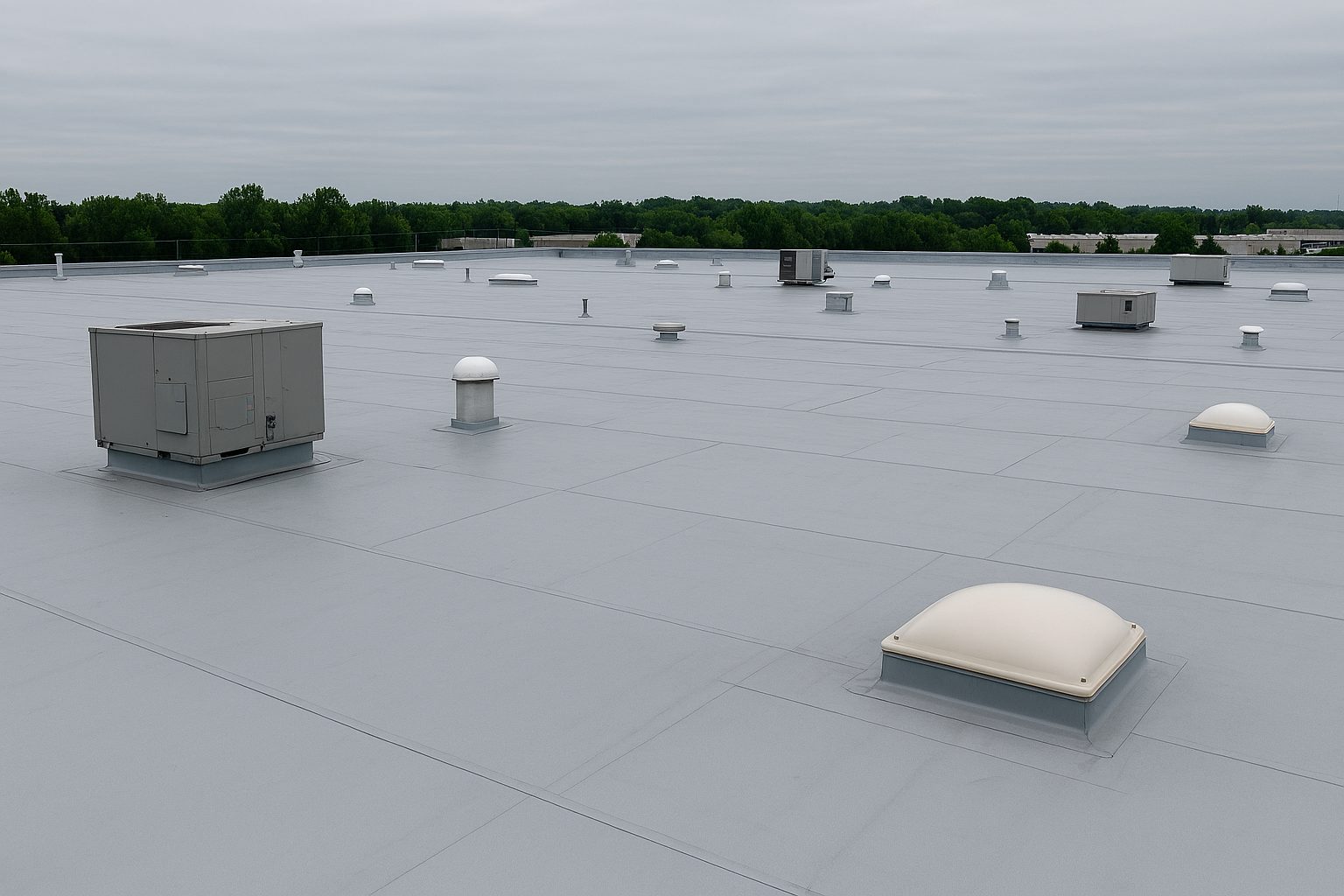
Flat commercial roofs are common throughout Chicago.
When drainage systems become compromised, standing water may remain on the roof for prolonged periods.
This condition is known as ponding water.
Ponding water increases risk of:
- Membrane deterioration
- Leak development
- Structural stress
- Mold growth
- Insulation saturation
Repeated exposure to standing water dramatically shortens roof lifespan.
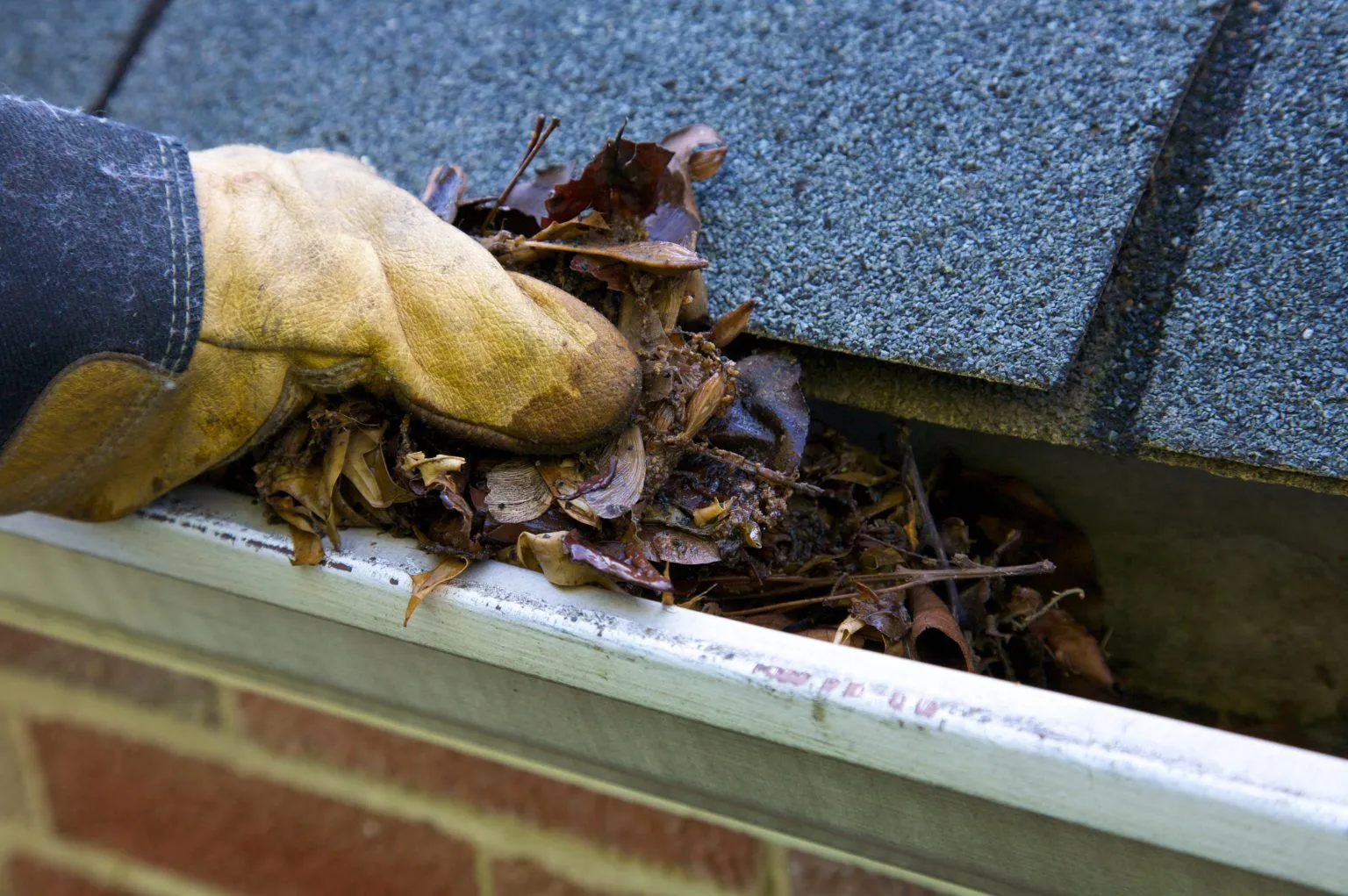
Regular maintenance helps ensure roof drains, gutters, and scuppers remain clear and functional.
Temperature Fluctuations Accelerate Roofing Wear
Chicago’s climate is known for rapid weather changes.
A roof may experience:
- Freezing temperatures in winter
- Warm spring conditions
- Hot summer days
- Cool evenings
These continuous temperature fluctuations cause roofing materials to expand and contract repeatedly.
Over time, thermal movement can lead to:
- Fastener loosening
- Membrane fatigue
- Flashing separation
- Seam failures
The older a roof becomes, the more susceptible it becomes to climate-related wear.
How Different Commercial Roofing Materials Handle Chicago Weather
TPO Roofing
TPO roofing remains popular in Chicago because of its:
- Energy efficiency
- Reflective properties
- UV resistance
Properly installed TPO roofs generally perform well against seasonal weather conditions. While this article focuses on low-slope commercial systems, asphalt shingles can still be a cost-effective option for sloped commercial buildings.
EPDM Roofing
EPDM roofing offers:
- Flexibility during cold temperatures
- Excellent weather resistance
- Long-term durability
Its flexibility makes it particularly valuable during Chicago’s freeze-thaw cycles.
PVC Roofing
PVC roofing performs well against:
- Ponding water
- Chemical exposure
- UV radiation
Many commercial facilities choose PVC because of its durability and longevity.
Metal Roofing
The Metal roofing systems provide:
- Strong wind resistance
- Long service life
- Weather durability
Metal roofing can offer superior protection in harsh weather conditions.
However, they still require routine inspections and maintenance to prevent corrosion and flashing issues. By contrast, slate is known for being durable and for its aesthetic appeal, though it is more common on steep-slope applications than on typical flat commercial roofs.
The Importance of Preventive Roof Maintenance
Climate-related roofing damage often develops gradually.
Preventive maintenance is one of the most effective ways to extend commercial roof lifespan.
Routine maintenance typically includes:
- Membrane inspections
- Drain cleaning
- Flashing evaluations
- Seam assessments
- Leak detection
- Storm damage inspections
Property owners who invest in regular maintenance often avoid costly emergency repairs.
Maintenance also helps maximize the return on roofing investments.
How Often Should Chicago Commercial Roofs Be Inspected?
For most commercial properties, roofing experts recommend inspections:
- Twice annually
- After major storms
- Following hail events
- After heavy snowfall
- Before winter
- During spring maintenance periods
Regular inspections identify early warning signs before they become expensive problems.
Small repairs made today can prevent major roof replacement costs later.
Warning Signs Your Commercial Roof May Be Failing
Chicago building owners should watch for:
- Water stains on ceilings
- Interior leaks
- Ponding water
- Blistering membranes
- Open seams
- Missing flashing
- Higher energy bills
- Mold or mildew
- Sagging roof areas
- Storm damage
If any of these issues appear, immediate professional evaluation is recommended.
Protecting Your Commercial Roofing Investment
The key to maximizing roof lifespan is proactive management, and warranties can give property owners peace of mind and added security when planning for long-term roofing costs.
Building owners should:
- Schedule routine inspections
- Address repairs immediately
- Maintain drainage systems
- Monitor storm damage
- Invest in preventive maintenance
- Upgrade aging roofing components when necessary
A proactive approach helps commercial roofs withstand Chicago’s demanding climate while reducing long-term ownership costs.
Partner with Chicago Commercial Roofing Experts
Chicago’s climate presents unique challenges that require local expertise. Whether your building has experienced storm damage, aging roofing materials, ponding water issues, or seasonal wear and tear, professional guidance can help protect your investment.
At Elite Construction Solutions, we provide comprehensive commercial roofing services throughout Chicago and surrounding Illinois communities. Our experienced team understands how local weather patterns impact commercial roofing systems and can recommend cost-effective solutions tailored to your building’s needs.
Schedule Your Commercial Roofing Inspection Today
Don’t wait until minor roofing issues become costly emergencies.
Comprehensive Commercial Roof Inspections
Commercial Roof Repairs
Roof Maintenance Programs
Storm Damage Assessments
Commercial Roof Replacement Solutions
Fast Online Commercial Roofing Quotes
Our local commercial roofing experts are ready to help protect your building, extend the lifespan of your roofing system, and identify potential issues before they become expensive problems.
Popular Posts