
How UV Exposure Affects Commercial Roofing Chicago: What Building Owners Can Learn from Weather Extremes

How UV Exposure Affects Commercial Roofing Chicago: What Building Owners Can Learn from Weather Extremes
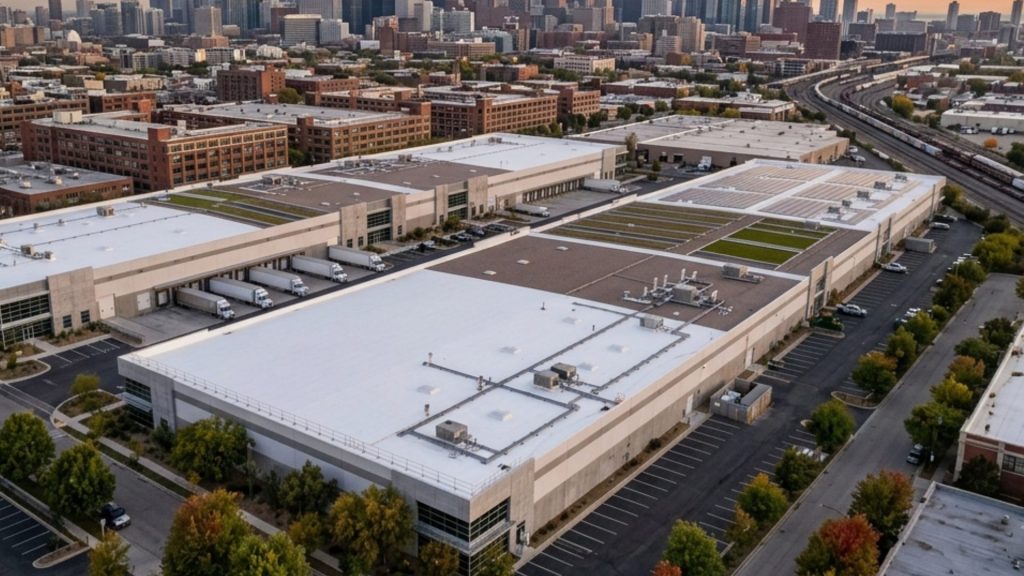
Commercial property owners in Chicago face a wide range of roofing challenges throughout the year, from heavy snowfall and ice dams to strong winds and rapid temperature fluctuations. While ultraviolet (UV) exposure may not always be the first concern for Midwest building managers, it remains one of the most significant contributors to commercial flat roof deterioration.
Interestingly, roofing experts in Texas have spent decades addressing some of the most intense UV-related roofing issues in the country. The harsh southern sun provides valuable insight into how prolonged UV radiation impacts commercial flat roofing systems and what property owners in Chicago can do to protect their investments before serious damage occurs.
In this guide, we’ll explore how UV exposure affects commercial flat roofs, the warning signs of UV deterioration, the roofing materials most vulnerable to sun damage, and the preventative strategies Chicago commercial building owners should implement to maximize roof lifespan and reduce repair costs.
Understanding UV Radiation and Commercial Roofing
Ultraviolet radiation is a form of energy emitted by the sun. Even during cloudy conditions, UV rays penetrate the atmosphere and continuously affect roofing materials.
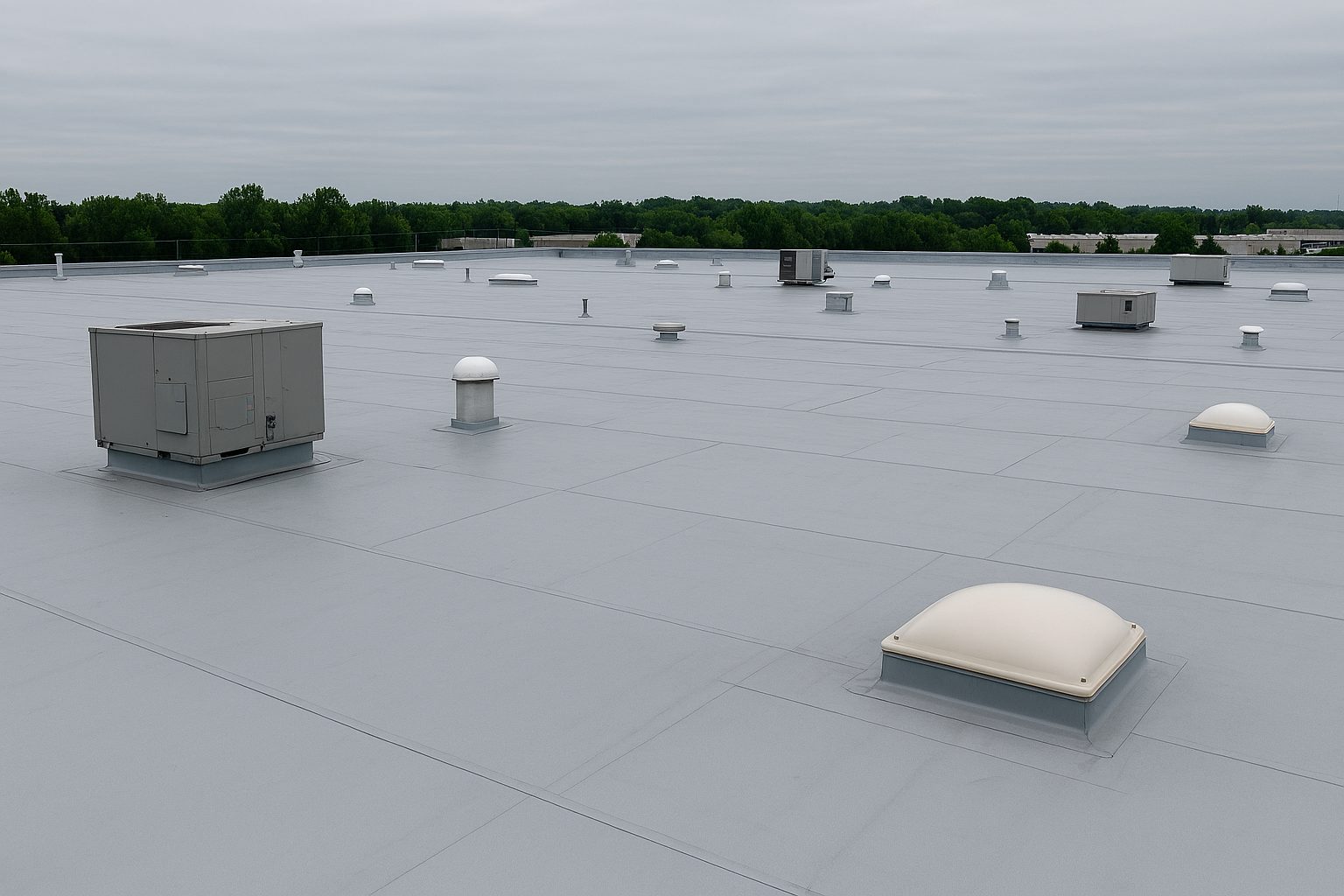
For commercial flat roofs, UV exposure creates a gradual degradation process that weakens membranes, coatings, adhesives, and insulation components. Unlike sudden storm damage, UV-related deterioration often develops slowly, making it difficult for building owners to detect until costly problems emerge.
Every commercial roof experiences some level of UV exposure, but the cumulative effect over years can significantly reduce roofing performance.
Why UV Damage Matters
UV radiation can:
- Break down roofing membranes
- Cause cracking and brittleness
- Accelerate aging
- Reduce waterproofing effectiveness
- Increase energy costs
- Lead to leaks and moisture intrusion
- Shorten roof lifespan
- Trigger costly repairs and premature replacement
For Chicago commercial property owners, these issues become especially problematic when UV-related deterioration is later compounded by freezing temperatures, snow loads, rain, and high winds.
Why Texas Provides Important Lessons About UV Roofing Damage
Texas experiences some of the highest levels of solar radiation in the United States. Commercial roofs in cities such as Dallas, Houston, Austin, and San Antonio are subjected to intense heat and year-round sunshine.
As a result, roofing contractors throughout Texas frequently encounter:
- Membrane shrinkage
- Surface cracking
- Material degradation
- Reflective coating failure
- Increased thermal movement
- UV-induced leaks
While Chicago receives less annual sunlight intensity than Texas, UV exposure remains a year-round threat. In fact, many Chicago property owners underestimate sun damage because attention is often focused on snow and winter weather.
The reality is that UV deterioration can silently weaken roofing systems during spring, summer, and fall, leaving them more vulnerable when winter arrives.
How UV Exposure Damages Commercial Flat Roofs
1. Membrane Breakdown
Most commercial flat roofing systems rely on waterproof membranes to protect the building envelope.
Popular commercial roofing materials include:
- TPO roofing
- EPDM roofing
- PVC roofing
- Modified bitumen
- Built-up roofing (BUR)
Over time, UV radiation breaks down the chemical structure of these materials.
The process occurs gradually:
- Surface aging begins
- Protective compounds deteriorate
- Material flexibility decreases
- Cracking develops
- Moisture infiltration occurs
Once membrane integrity becomes compromised, water can penetrate beneath the roofing surface and damage insulation, decking, and structural components.
2. Thermal Expansion and Contraction
UV exposure contributes significantly to rooftop temperature fluctuations.
During sunny summer days, commercial flat roofs can become extremely hot. As temperatures drop at night, roofing materials contract.
This constant cycle creates stress throughout the roofing system.
Over years, thermal movement can cause:
- Seam separation
- Fastener loosening
- Flashing damage
- Membrane distortion
- Structural stress
In Chicago, thermal movement becomes even more severe because roofs experience dramatic seasonal temperature swings compared to southern climates.
A roof that expands under summer sunshine and contracts during freezing winter conditions experiences continuous mechanical stress.
3. Surface Cracking and Splitting
One of the most visible forms of UV damage is surface cracking.
As roofing materials lose flexibility, they become brittle and vulnerable to fracture.
Cracks frequently appear around:
- Roof penetrations
- HVAC units
- Drains
- Skylights
- Flashing systems
- Expansion joints
In Chicago, strong winds make roof edge detail performance especially important because local roofing work must meet stricter edge requirements.
Even small cracks can allow water intrusion that leads to mold growth, insulation damage, and interior leaks.
4. Reflective Coating Failure
Many modern commercial roofing systems include reflective coatings designed to reduce heat absorption.
These coatings can:
- Improve energy efficiency
- Lower cooling costs
- Reduce roof surface temperatures
- Minimize thermal stress
However, sustained UV exposure gradually degrades coating performance.
When coatings deteriorate, building owners may notice:
- Fading
- Chalking
- Peeling
- Reduced reflectivity
- Increased rooftop temperatures
Without proper maintenance, the roof loses many of its energy-saving benefits.
5. Adhesive Degradation
Commercial roofing systems often depend on specialized adhesives to maintain waterproof seams and attachments.
UV radiation can weaken adhesive bonds by:
- Breaking down chemical compounds
- Drying out bonding agents
- Causing seam separation
When seams begin to fail, moisture intrusion becomes much more likely.
Roof leaks often develop in these vulnerable areas long before building owners notice visible damage.
Which Commercial Roofing Systems Are Most Vulnerable to UV Damage?
Different roofing materials respond differently to UV exposure.
EPDM Roofing
EPDM remains one of the most widely used commercial roofing materials.
Advantages include:
- Affordability
- Durability
- Weather resistance
However, prolonged UV exposure can eventually result in:
- Oxidation
- Shrinkage
- Surface cracking
- Seam stress
Routine inspections help identify these problems before major failures occur.
Modified Bitumen Roofing
Modified bitumen roofs have excellent waterproofing characteristics but can experience UV-related deterioration over time.
Common issues include:
- Surface cracking
- Drying
- Brittleness
- Granule loss
Protective coatings are often recommended to extend service life.
Built-Up Roofing (BUR)
Traditional built-up roofing systems include multiple layers of asphalt and reinforcing fabrics. BUR typically requires more labor for installation than many other commercial roofing systems.
While durable, UV exposure may contribute to:
- Asphalt degradation
- Surface erosion
- Cracking
- Moisture vulnerability
Proper maintenance remains critical.
TPO Roofing
TPO roofing is popular among Chicago commercial property owners because it is a common single-ply option, and single-ply membranes are energy-efficient for flat commercial roofs while offering strong UV resistance.
Benefits include:
- Reflective surface
- Heat reduction
- UV resistance
- Lower energy costs
In Chicago, reflective roofing choices are also influenced by strict energy-code expectations tied to high SRI values.
However, aging TPO roofs can still experience:
- Membrane wear
- Seam deterioration
- Surface weathering
Regular professional inspections remain essential, and quality installation is critical to the long-term performance of TPO roofing.
PVC Roofing
PVC roofing performs exceptionally well against UV exposure.
Its advantages include:
- Superior chemical resistance
- High durability
- Reflectivity
- Excellent weather protection
Despite this, no roofing system is entirely immune to UV-related aging.
Preventative maintenance still delivers the best long-term results.
Why UV Damage Is Often Missed by Chicago Building Owners
Many commercial property owners focus on more visible harsh weather threats such as:
- Hail
- Snow
- Ice
- Heavy rain
- Wind
UV exposure is less obvious.
Unlike storm damage, UV deterioration develops gradually over years.
Building managers often discover problems only after:
- Leaks appear
- Energy bills rise
- Roofing materials begin cracking
- Interior water damage occurs
This delayed visibility is one reason UV damage becomes so costly, especially in a market with freezing winters and heavy lake-effect snow.
Warning Signs of UV-Related Roof Deterioration
Chicago commercial building owners should monitor their roofing systems for the following indicators.
Faded Roofing Surface
Significant discoloration often indicates prolonged UV exposure and coating breakdown.
Membrane Cracking
Visible cracks suggest the roofing material has lost flexibility and requires professional evaluation.
Seam Separation
Open seams frequently result from thermal cycling and UV degradation.
Ponding Water
Damaged roofing materials may create uneven surfaces that trap water.
Persistent ponding accelerates roof deterioration.
Increased Energy Costs
If cooling expenses continue rising during summer months, reduced roof reflectivity may be contributing to heat gain.
Interior Leaks
Water infiltration often indicates that UV damage has already compromised roofing integrity.
Immediate inspection is recommended.
How UV Damage Impacts Commercial Roofing Costs
More Frequent Repairs
As materials deteriorate, repair needs become more frequent.
Property owners often experience recurring issues involving:
- Cracks
- Leaks
- Flashing failures
- Seam repairs
Repair expenses accumulate quickly when underlying UV damage remains unaddressed. When UV damage causes active leaks, many Chicago providers offer 24/7 emergency roofing services for flat commercial roofs. Same-day response is often available for emergency roof repair needs.
Premature Roof Replacement
A commercial roof designed to last 25 to 30 years may fail significantly earlier if UV exposure accelerates deterioration.
Premature replacement can cost tens or even hundreds of thousands of dollars depending on building size.
Increased Utility Bills
UV degradation often reduces roofing reflectivity.
When roofs absorb more solar heat:
- Cooling systems work harder
- Energy consumption rises
- Utility costs increase
Large commercial buildings are especially vulnerable to these operating expenses.
Interior Building Damage
Roof leaks rarely remain isolated.
Water intrusion can damage:
- Inventory
- Equipment
- Drywall
- Ceilings
- Electrical systems
- Tenant spaces
The resulting repair costs may exceed roofing expenses themselves.
Strategies to Protect Commercial Flat Roofs from UV Exposure
Schedule Regular Roof Inspections
Routine inspections remain the most effective defense against UV damage.
Professional roofing contractors should be properly licensed in Illinois and can identify:
- Early membrane wear
- Seam issues
- Coating deterioration
- Flashing problems
- Drainage concerns
Established industry standards are shaped by the National Roofing Contractor Association.
Early intervention reduces repair costs and extends roof lifespan.
Most experts recommend commercial roof inspections at least twice annually.
Apply Reflective Roof Coatings
Roof coatings provide an additional layer of defense against ultraviolet radiation.
Benefits include:
- Enhanced UV protection
- Reduced thermal stress
- Improved waterproofing
- Lower energy expenses
- Extended roof lifespan
Some owners also upgrade with green roofing systems that improve insulation and support urban sustainability.
Green roofs can help manage stormwater runoff on commercial buildings.
Some coating or reroofing projects are also planned to support future solar panels.
Reflective coatings are particularly cost-effective for aging flat roofing systems.
Address Small Problems Immediately
Minor defects can evolve into major failures when UV exposure continues unchecked.
Prompt repairs help prevent:
- Water infiltration
- Insulation damage
- Structural deterioration
- Widespread roofing failure
Proactive maintenance consistently costs less than emergency repairs.
Improve Roof Drainage
Standing water accelerates material breakdown.
Ensure:
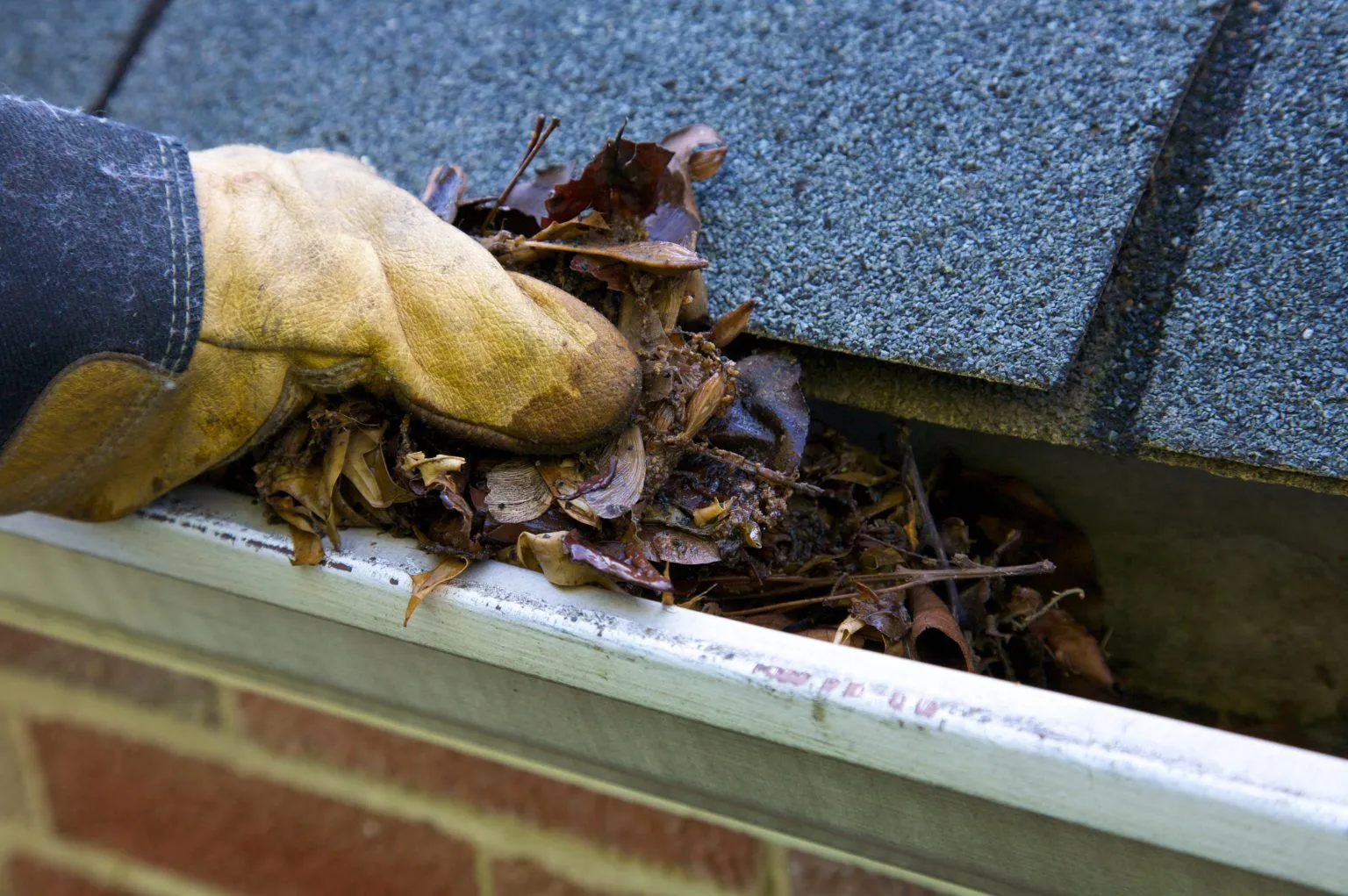
- Drains remain clear
- Gutters function properly
- Water flows efficiently
- Ponding areas are corrected
Combining proper drainage with UV protection significantly increases roof performance.
Invest in High-Quality Roofing Materials
For roof replacements, selecting the best materials for the building’s roof design and exposure conditions can generate substantial long-term savings.
Many Chicago commercial property owners choose:
- TPO systems
- PVC systems
- Enhanced coating systems
Standing seam metal roofing can also work well on some low-slope commercial roofs, though it usually has a higher upfront cost and lower maintenance needs.
Asphalt shingles can be a cost-effective option on sloped commercial buildings.
These solutions provide strong performance against both UV exposure and Midwest weather conditions.
Why Preventative Maintenance Is Critical for Chicago Commercial Buildings
Chicago’s climate creates unique roofing challenges.
Commercial roofs must endure:
- Intense summer sunshine
- Severe winter freezes
- Ice accumulation
- Heavy storms
- Wind exposure
- Rapid temperature changes
When UV deterioration weakens roofing materials beforehand, these additional weather conditions can accelerate failure dramatically.
Preventative maintenance helps property owners:
- Avoid emergencies
- Reduce long-term costs
- Extend roof lifespan
- Improve energy efficiency
- Protect tenants and operations
The return on investment for routine roofing maintenance is often substantial.
Commercial Roofing Services for Chicago Businesses
Whether you manage properties with commercial and industrial roofing needs across the chicago area:
- Office buildings
- Retail centers
- Warehouses
- Manufacturing facilities
- Medical buildings
- Industrial properties
- Multi-tenant commercial complexes
Understanding the effects of UV exposure can help you make better roofing decisions and avoid costly surprises.
A professional commercial roofing contractor can assess:
- Roof age
- UV deterioration levels
- Moisture intrusion risks
- Coating performance
- Energy efficiency opportunities
- Repair versus replacement options
When repair is no longer enough, single-ply membranes are often a cost-effective option for many flat roofs in Illinois.
Comprehensive inspections often reveal hidden issues before they become major expenses.
Final Thoughts: Protect Your Commercial Roof Before UV Damage Becomes Expensive
While Texas may experience some of the nation’s most intense sunlight, the lessons learned from southern roofing systems apply equally to commercial properties throughout Chicago. UV radiation continuously affects commercial flat roofs, weakening membranes, degrading coatings, increasing energy costs, and shortening roof lifespan.
For Chicago building owners, UV damage becomes even more problematic when combined with freeze-thaw cycles, winter storms, and seasonal temperature extremes. The best strategy is proactive maintenance, routine inspections, and timely repairs before small issues develop into major roofing failures.
Protecting your commercial roofing investment today can help you avoid expensive repairs, prevent operational disruptions, and maximize the longevity of your roof for years to come.
Contact Elite Construction Solutions for Expert Commercial Roofing Services in Chicago
If you own or manage a commercial building in Chicago, don’t wait until leaks and costly damage appear.
Elite Construction Solutions is a Chicago roofing company serving Chicago businesses and commercial properties in Chicago, IL, and throughout IL. As a roofing company, this company is licensed bonded and insured, with a skilled team and trained technicians focused on helping customers and clients meet project expectations. We provide installation, roof repair, and replacement support for commercial roofing systems. Request a free estimate and ask about warranties, including a comprehensive warranty, for added security.
Schedule Your Commercial Roof Inspection Today
- Identify hidden UV damage before the job becomes more expensive or disruptive
- Extend the life of your commercial flat roof
- Reduce future repair and replacement costs
- Improve building energy efficiency
- Receive expert recommendations from trusted local roofing professionals
Our team can assess whether to repair, replace, or plan a new roof based on your building’s needs.
Popular Posts