Winter Roofing Maintenance Checklist for Cleveland Businesses

Winter Roofing Maintenance Checklist for Cleveland Businesses
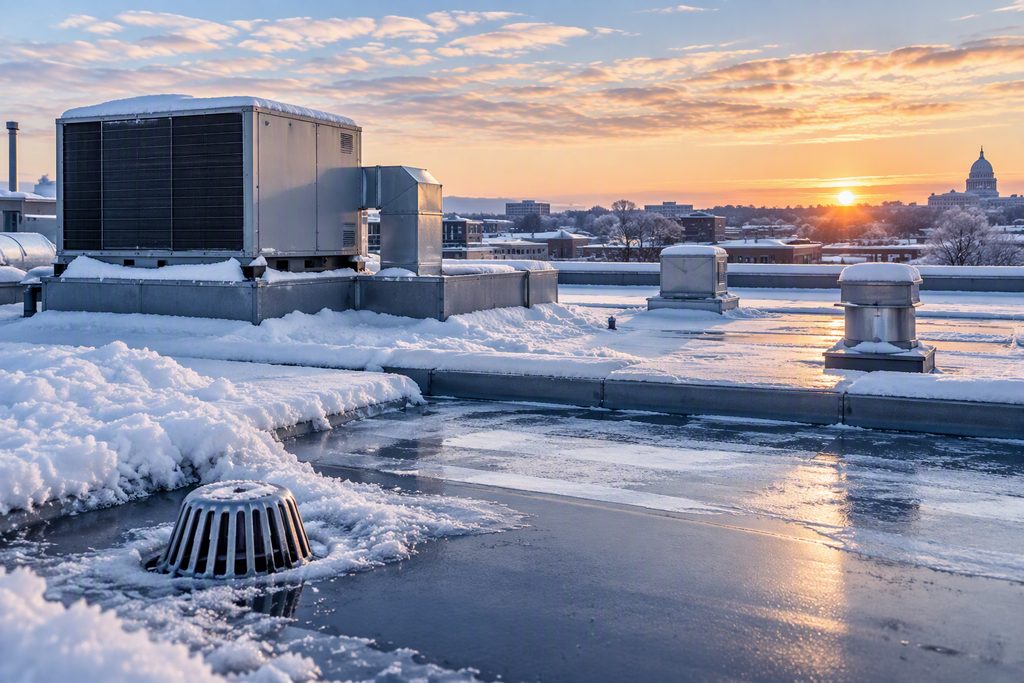
Winter is one of the most challenging seasons for commercial roofing systems. Freezing temperatures, snow accumulation, ice dams, fluctuating weather conditions, and increased moisture exposure can all place significant stress on a roof. For business owners and property managers, a proactive winter roofing maintenance plan can mean the difference between a minor repair and a costly emergency that disrupts operations.
While Elite Construction Solutions proudly serves commercial property owners seeking dependable roofing solutions, understanding how winter weather impacts commercial roofs is essential for protecting your investment, maintaining tenant satisfaction, and avoiding unexpected expenses. Whether you manage an office complex, warehouse, retail center, industrial facility, educational building, or multi-tenant commercial property, winter preparedness should be a top priority.
This comprehensive winter roofing maintenance checklist will help commercial property owners identify potential vulnerabilities, prevent damage, extend roof lifespan, and ensure their buildings remain protected throughout the cold season.
Why Winter Roofing Maintenance Matters for Commercial Buildings
Commercial roofs represent one of the most critical components of any building. They protect not only the structure itself but also inventory, equipment, employees, customers, and daily business operations.
Winter can amplify existing roofing problems. Small punctures, deteriorated flashing, clogged drains, or minor membrane issues that seem insignificant during warmer months may quickly escalate when exposed to snow, ice, and repeated freeze-thaw cycles.
Benefits of proactive winter roofing maintenance include:
- Reduced risk of leaks and water intrusion
- Prevention of emergency repair costs
- Improved energy efficiency
- Extended roof lifespan
- Better protection of occupants and assets
- Reduced liability risks
- Improved building performance during severe weather
- Higher return on investment for roofing systems
The most successful commercial property owners view roofing maintenance as preventative asset management rather than a reactive repair expense.
Understanding How Winter Weather Affects Commercial Roofs
Before creating an effective maintenance plan, it is important to understand the specific challenges winter weather presents.
Snow Accumulation
Heavy snow places additional loads on roofing systems. Commercial roofs, particularly flat and low-slope roofs, are vulnerable to excessive accumulation that may exceed design capacities if not properly monitored.
Snow load concerns increase when:
- Existing ponding water freezes
- Snow remains for extended periods
- Multiple storms occur in succession
- Roof drainage systems become blocked
- Structural weaknesses already exist
Ice Formation
Ice formation often causes problems around drains, gutters, roof edges, and penetrations.
When ice blocks drainage pathways, melting snow can back up and infiltrate roofing materials, leading to interior leaks and structural deterioration.
Freeze-Thaw Cycles
Winter temperatures frequently fluctuate above and below freezing.
This cycle can cause:
- Flashing separation
- Membrane stress
- Expansion and contraction damage
- Sealant cracking
- Fastener loosening
- Enlargement of existing roof defects
Wind Exposure
Winter storms often bring high winds that can lift roofing materials, loosen flashing systems, and expose building components to moisture intrusion.
Moisture Infiltration
Even minor roof openings can allow moisture to penetrate roofing assemblies. Once trapped beneath roofing materials, moisture can compromise insulation, reduce thermal performance, and accelerate deterioration.
Pre-Winter Commercial Roof Inspection Checklist
The best time to prepare for winter is before severe weather arrives.
A professional commercial roof inspection should include the following areas:
Evaluate Roofing Membranes
Inspect all roofing membranes for:
- Cracks
- Splits
- Tears
- Punctures
- Open seams
- Blistering
- Shrinkage
Any membrane deficiencies should be repaired before winter conditions worsen existing damage.
Examine Flashing Systems
Flashing protects roof transitions and vulnerable areas around penetrations.
Inspect flashing around:
- HVAC units
- Skylights
- Vents
- Curbs
- Chimneys
- Wall intersections
- Equipment mounts
Loose or damaged flashing is one of the leading causes of commercial roof leaks.
Inspect Roof Penetrations
Penetrations create natural weak points in commercial roofing systems.
Roofers should inspect:
- Exhaust vents
- Pipe boots
- Communication equipment mounts
- Roof access points
- Mechanical systems
Proper sealing is critical before freezing temperatures arrive.
Check Roof Edges
Roof edges are highly susceptible to wind damage.
Inspect for:
- Loose edge metal
- Missing fasteners
- Separation from substrate
- Signs of corrosion
Early repairs can prevent major problems during winter storms.
Drainage System Maintenance
Proper drainage is one of the most important aspects of winter roof protection.
Clean Roof Drains
Flat commercial roofs depend on unobstructed drains.
Remove:
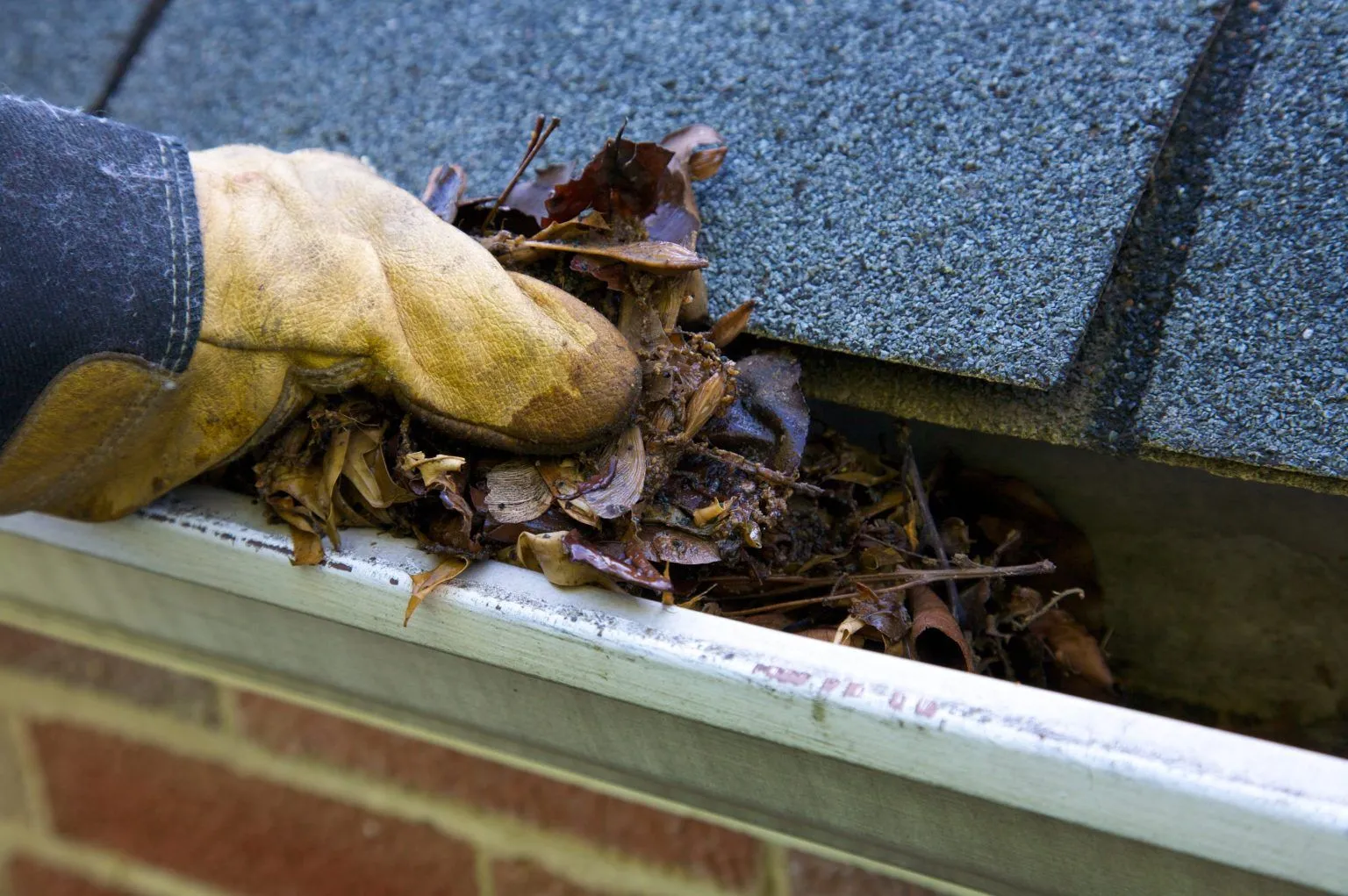
- Leaves
- Dirt
- Debris
- Organic growth
- Sediment accumulation
Blocked drains can lead to ponding water that later freezes and causes damage.
Inspect Gutters
Gutters direct water safely away from roofing systems and building foundations.
Commercial gutter maintenance should include:
- Debris removal
- Joint inspection
- Fastener tightening
- Leak identification
- Slope verification
Verify Downspout Performance
Downspouts should move water efficiently away from the structure.
Look for:
- Obstructions
- Ice-prone areas
- Improper discharge locations
- Damage from previous seasons
Address Ponding Water
Standing water indicates drainage deficiencies.
Before winter arrives, identify and correct low areas where water consistently accumulates.
Evaluate Roof Insulation
Insulation plays a major role in winter roofing performance.
Poor insulation can contribute to:
- Heat loss
- Ice formation
- Condensation problems
- Higher energy costs
Signs of Insulation Issues
Watch for:
- Uneven snow melting
- Increased heating bills
- Indoor temperature fluctuations
- Moisture accumulation
- Condensation inside the building
A professional roofing contractor can assess insulation conditions and recommend improvements when necessary.
Remove Existing Roof Debris
Debris left on commercial roofs can create serious winter maintenance challenges.
Remove:
- Branches
- Leaves
- Trash
- Loose equipment
- Construction materials
Debris can trap moisture, obstruct drainage, and damage roofing membranes under snow and ice.
Inspect HVAC Equipment and Rooftop Units
Most commercial buildings contain rooftop mechanical equipment.
Winter maintenance should include inspection of:
- HVAC units
- Exhaust systems
- Curbs
- Refrigeration equipment
- Electrical connections
Ensure roofing materials surrounding equipment remain watertight and secure.
Mechanical contractors and roofing professionals should coordinate inspections to minimize risk.
Check Sealants and Caulking
Sealants are particularly vulnerable to winter weather.
Aging sealants may:
- Crack
- Shrink
- Separate
- Lose adhesion
Inspect all sealed joints and replace deteriorated materials before temperatures drop significantly.
Assess Structural Components
Commercial property owners should not overlook structural evaluations.
Signs of potential structural concerns include:
- Roof sagging
- Visible deflection
- Interior ceiling damage
- Persistent ponding water
- Settlement issues
Structural deficiencies become more problematic when combined with snow loads.
Professional evaluation is recommended whenever concerns are identified.
Winter Roof Monitoring Procedures
Maintenance should continue throughout winter.
Conduct Visual Inspections After Storms
After major snowstorms or wind events, inspect for:
- Visible damage
- Displaced components
- Ice accumulation
- Blocked drains
- New leaks
Addressing issues early can prevent larger repairs later.
Monitor Interior Signs of Leaks
Building occupants often notice roofing problems first.
Watch for:
- Water stains
- Ceiling discoloration
- Dripping water
- Mold development
- Damp insulation
Prompt investigation can minimize damage.
Track Roof Conditions
Maintain records of:
- Inspection dates
- Repair activities
- Storm events
- Observed deficiencies
Roof maintenance histories improve budgeting and long-term planning.
Safe Snow Removal Practices
Removing excess snow may be necessary after severe winter weather.
However, improper snow removal can damage roofing systems.
Best Practices
Use trained professionals who understand:
- Commercial roofing materials
- Load distribution
- Safe access procedures
- Snow removal techniques
Avoid:
- Sharp tools
- Excessive scraping
- Concentrated weight loads
- Untrained personnel
Roofing professionals know how to reduce snow loads while protecting membranes and roof components.
Prevent Ice Dams on Commercial Roofs
Although more commonly associated with residential structures, ice-related drainage issues can affect commercial properties as well.
Prevention strategies include:
- Maintaining insulation levels
- Improving ventilation
- Keeping drainage pathways clear
- Addressing heat-loss areas
- Repairing membrane defects
Early intervention significantly reduces winter moisture risks.
Emergency Preparedness for Commercial Roofs
Every commercial property owner should have a roofing emergency plan.
Develop a Response Strategy
Your plan should include:
- Roofing contractor contact information
- Emergency service procedures
- Incident documentation protocols
- Temporary mitigation plans
- Occupant communication processes
Preparation reduces downtime during unexpected weather events.
Keep Maintenance Records Accessible
Important documentation includes:
- Roof warranties
- Inspection reports
- Repair records
- Building plans
- Contractor information
Quick access can streamline emergency response efforts.
Common Winter Roofing Problems Commercial Buildings Face
Membrane Shrinkage
Cold temperatures can cause roofing membranes to contract, creating stress at seams and penetrations.
Flashing Failure
Repeated freeze-thaw cycles may cause flashing systems to separate or crack.
Drain Blockages
Ice and debris frequently obstruct commercial roof drains during winter.
Equipment Leaks
Mechanical equipment can introduce moisture through deteriorated seals and flashing.
Interior Condensation
Humidity combined with temperature differentials often creates condensation problems within commercial buildings.
Recognizing these risks helps owners take preventative action before major damage occurs.
Budgeting for Preventive Maintenance
Preventative maintenance is generally far less expensive than major repairs or full roof replacement.
Commercial roofing budgets should include:
- Annual inspections
- Seasonal maintenance
- Minor repairs
- Emergency reserve funds
A planned maintenance strategy helps property owners avoid unexpected capital expenditures.
Long-Term Benefits of Winter Roof Maintenance
Investing in winter maintenance produces measurable returns.
Benefits include:
Longer Roof Life
Routine maintenance helps maximize the life expectancy of commercial roofing systems.
Reduced Energy Costs
Well-maintained roofs contribute to improved building efficiency and lower heating expenses.
Lower Repair Expenses
Small repairs performed early can prevent larger and more costly failures.
Improved Property Value
Buildings with documented maintenance histories often maintain stronger property values.
Better Tenant Satisfaction
Leaks and weather-related disruptions negatively affect tenant experiences.
Protecting roofing systems helps create more reliable business environments.
When to Call Professional Commercial Roofers
Commercial roofing systems are complex and should be inspected by experienced professionals regularly.
Property owners should contact roofing experts if they notice:
- Active leaks
- Ponding water
- Membrane damage
- Storm damage
- Structural concerns
- Repeated ice accumulation
- Rising utility costs
- Aging roofing systems
Professional inspections can identify hidden issues before they become major liabilities.
Why Wisconsin Commercial Property Owners Need a Winter Maintenance Plan
Wisconsin business owners face some of the most demanding winter conditions in the Midwest. Snow accumulation, freezing temperatures, strong winds, and freeze-thaw cycles can challenge commercial roofing systems throughout the season.
Warehouses, manufacturing facilities, office buildings, retail centers, churches, schools, apartment complexes, and municipal buildings all benefit from proactive winter roof inspections and maintenance.
A comprehensive maintenance strategy helps protect operations, employees, customers, inventory, and long-term property value while reducing the likelihood of costly emergency repairs when harsh weather strikes.
Schedule Your Commercial Roof Inspection with Elite Construction Solutions
Winter weather can expose small roofing issues that quickly become expensive commercial roofing emergencies. Don’t wait until a leak disrupts your business operations or snow accumulation creates costly structural concerns.
Elite Construction Solutions provides professional commercial roofing inspections, maintenance, repairs, and replacement services designed to help commercial property owners protect their investments year-round.
If you own or manage a commercial building, now is the ideal time to schedule a professional roof assessment.
Contact Elite Construction Solutions Today
- Schedule a comprehensive commercial roof inspection
- Identify potential winter vulnerabilities
- Protect your building from snow and ice damage
- Extend the lifespan of your commercial roofing system
- Receive a fast online commercial roofing quote
- Speak directly with experienced local commercial roofers
Our local roofing professionals are ready to help Wisconsin commercial property owners keep their buildings protected through every season.
Popular Posts